How Your HVAC System Can Help You Breathe Easier This Allergy Season
Spring in Chester County brings sunny days and blooming trees, but it also unleashes a wave of allergens like pollen, dust, mold spores, and pet dander that can wreak havoc on your sinuses. While many allergy sufferers reach for antihistamines or air purifiers, few realize that your HVAC system.

Spring in Chester County brings sunny days and blooming trees, but it also unleashes a wave of allergens like pollen, dust, mold spores, and pet dander that can wreak havoc on your sinuses. While many allergy sufferers reach for antihistamines or air purifiers, few realize that your HVAC system plays a critical role in controlling indoor allergens.
With the right equipment, regular maintenance, and a few upgrades, your HVAC system can become a powerful ally in improving indoor air quality, helping you find lasting relief from allergy symptoms, even during peak season.
The Connection Between HVAC and Indoor Air Quality
Your HVAC system does more than heat and cool; it’s also responsible for continuously circulating air throughout your home. If that air is full of allergens, your home may feel just as uncomfortable as the outdoors. Poor air quality indoors can cause itchy eyes, sneezing, dry throat, headaches, and worsen asthma or other respiratory conditions.
However, a well-maintained HVAC system can act as a first line of defense against airborne irritants by filtering, purifying, and balancing the air in your home.
Filtering Out Allergens: It Starts with the Right Filter
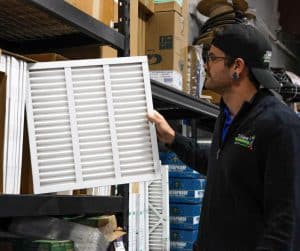
Each time your HVAC system kicks on, it pulls in air and pushes it through a filter. Standard filters, like fiberglass or pleated filters with low MERV ratings, are designed mainly to protect the HVAC equipment from dust, not to clean your air.
To trap smaller allergens such as pollen, mold spores, and pet dander, consider upgrading to:
- HEPA filters (High-Efficiency Particulate Air) Capture up to 99.97% of airborne particles.
- MERV 11 or higher filters: Offer a strong balance between air quality and airflow efficiency.
Equally important is changing your filters regularly, especially during spring and fall. In allergy-prone areas like West Chester, replacing filters every 1–3 months ensures your system can continue catching airborne irritants effectively.
Why Humidity Matters for Allergy Control
Dust mites and mold spores thrive in high-humidity environments. If the humidity in your home creeps above 50%, it creates the perfect conditions for allergens to flourish.
Your HVAC system can help regulate humidity, but for maximum control, consider:
- Whole-home dehumidifiers: These integrate with your HVAC system to remove excess moisture from the air, reducing the presence of mold and dust mites.
- Humidity monitoring: Install a smart thermostat with humidity control to keep your levels between 30–50% year-round.
On the flip side, overly dry air can irritate nasal passages and make allergy symptoms worse. In that case, a whole-home humidifier can add moisture back into your air during winter or dry spring, helping you breathe more comfortably.
Air Purification Systems: Go Beyond Basic Filtration
While filters are great at capturing solid particles, they don’t always eliminate biological contaminants like bacteria, mold spores, or viruses. That’s where whole-home air purifiers and UV light systems come in.
- Air purifiers: Use electronic or media-based filters to trap ultrafine particles and neutralize pollutants as air passes through your HVAC system.
- UV germicidal lights: Installed inside your ductwork or near your evaporator coil, these lights kill mold, mildew, and bacteria, providing continuous protection without altering airflow.
Together, these tools dramatically improve indoor air quality and provide added peace of mind during allergy season and beyond.
Ventilation: Bring in Fresh Air Without Bringing in Allergens
Opening your windows isn’t always practical, especially when pollen counts are high. Instead, consider installing a mechanical ventilation system such as an Energy Recovery Ventilator (ERV). These systems:
- Pull in fresh, filtered air from outside
- Remove stale indoor air
- Maintain indoor humidity balance
An ERV lets you enjoy cleaner, fresher air inside your home without letting in outdoor allergens.
Routine HVAC Maintenance is The Key to a Healthier Home
Your HVAC system can only help manage allergens if it’s running efficiently. That’s why routine maintenance is essential, especially before and during allergy season.
A professional HVAC tune-up includes:
- Cleaning coils to remove mold and dust
- Checking ductwork for leaks or buildup
- Verifying air filter installation and airflow
- Ensuring humidity levels are properly managed
- Inspecting the overall health of your HVAC system
Not only does this keep allergens at bay, but it also boosts energy efficiency, improves comfort, and extends the life of your equipment.
Allergy Relief Starts at Home, Let’s Make It Happen
Spring allergies can feel relentless in Chester County, but you don’t have to suffer through them. At DiBiase Heating and Cooling, we help West Chester homeowners turn their HVAC systems into allergy-fighting machines.
Whether you need a filter upgrade, air purifier, whole-home humidifier, or duct cleaning, our indoor air quality experts are here to help you breathe easier.
Ready for an Allergy-Proof Home in West Chester, PA?
Schedule your indoor air quality assessment with DiBiase Heating and Cooling today. We’ll evaluate your system and recommend the best upgrades to help you stay comfortable and allergy-free all season long.
Call us or contact us online to get started!